Black and Grey
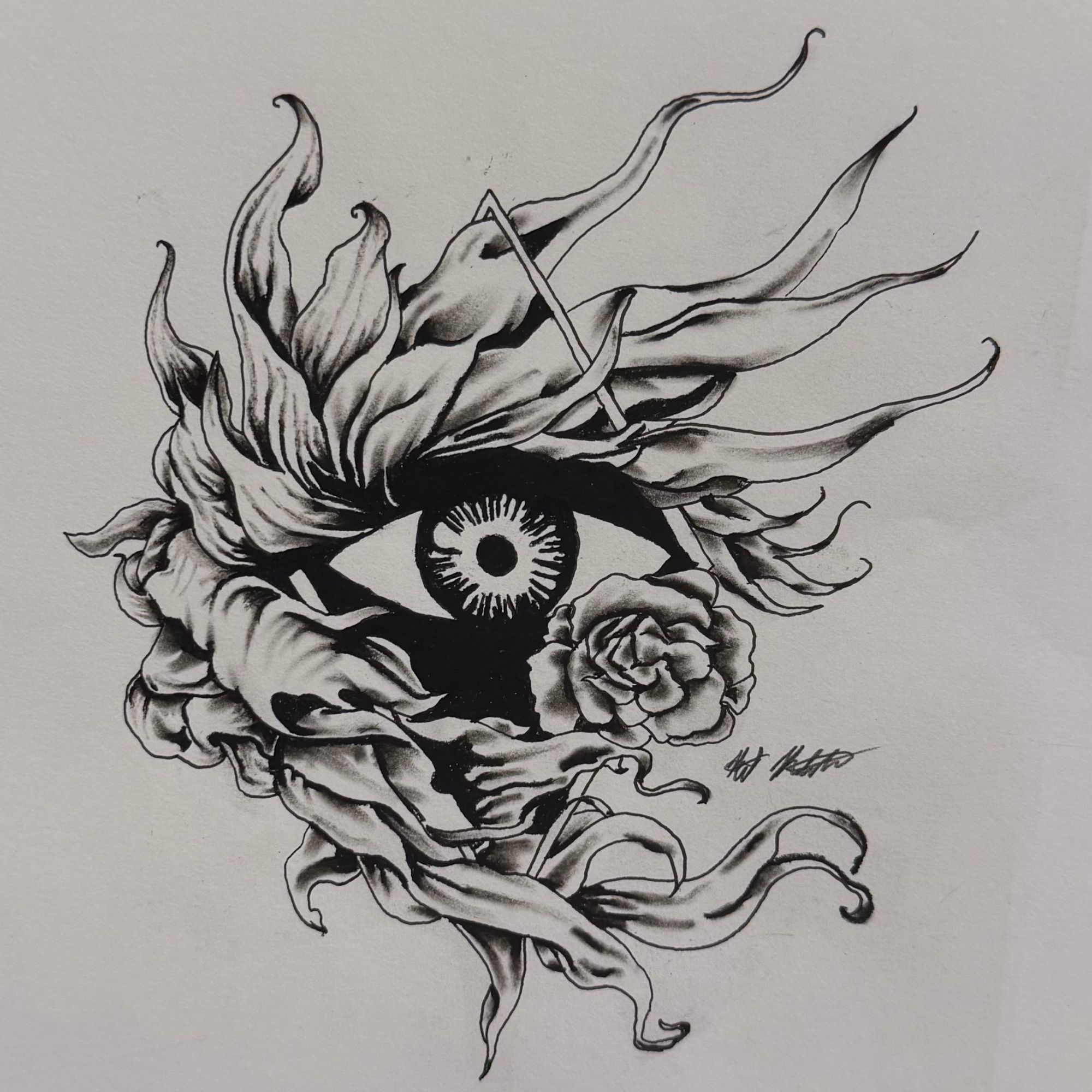
Black-and-grey tattooing grew from California’s prison and Chicano communities in the 1970s and ’80s, where limited access to colored ink inspired artists to create depth using diluted black ink and subtle shading. The style later evolved in Los Angeles studios, where artists refined its fine-line detail and smooth gradients. Today, it remains a celebrated art form shaped by Chicano identity, lowrider culture, and a tradition of bold, expressive storytelling.
- Contrast
- Depth
- Timelessness
Japanese
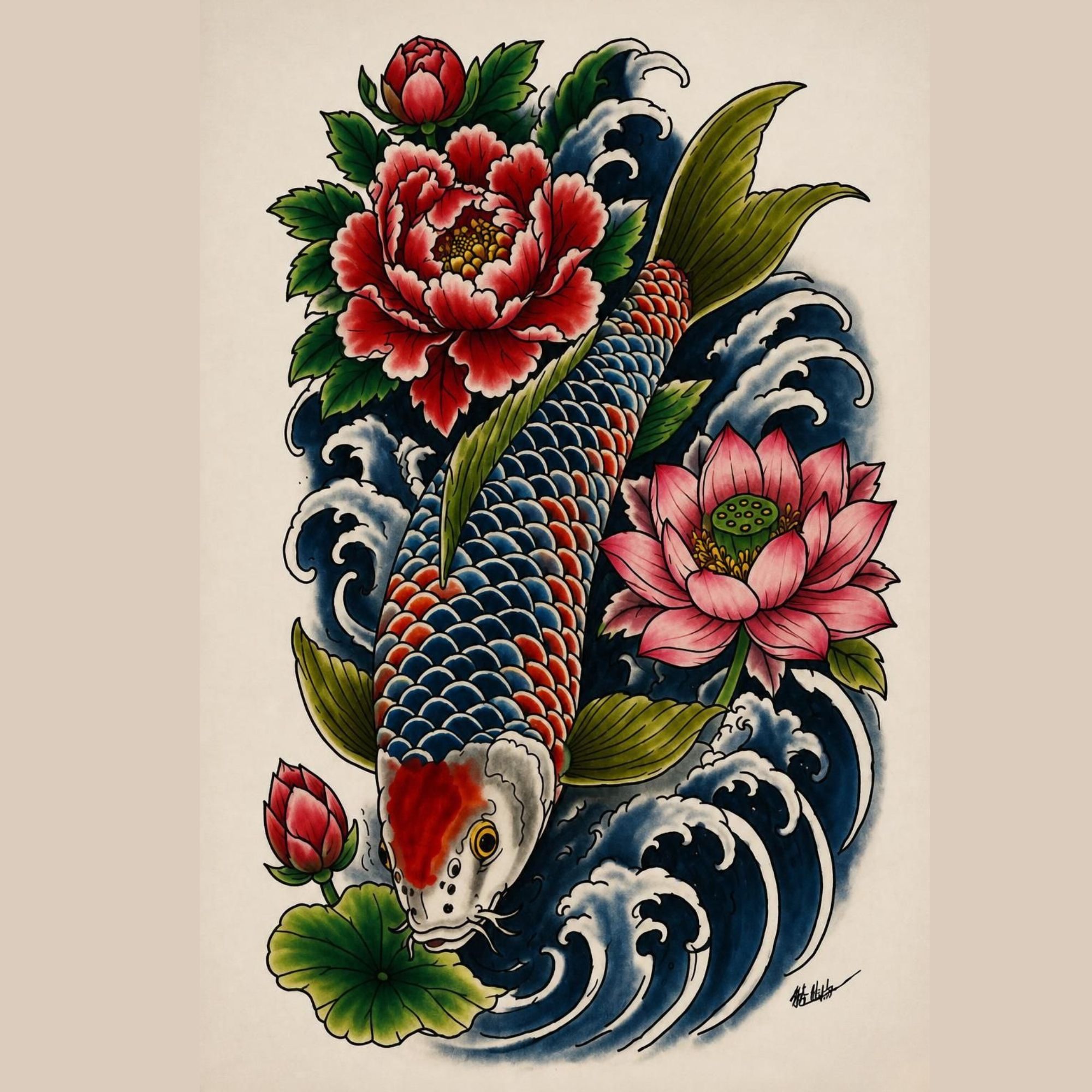
Japanese tattooing, often called irezumi, draws on a rich and varied history. During the Edo period, artists known as horishi developed bold, large-scale designs inspired by woodblock prints and popular stories, using traditional hand-poked techniques called tebori. Though later restrictions pushed the art underground, its flowing compositions and symbolic imagery continue to inspire tattoo artists today.
- Symbolic
- Intricate
- Flowing
Traditional
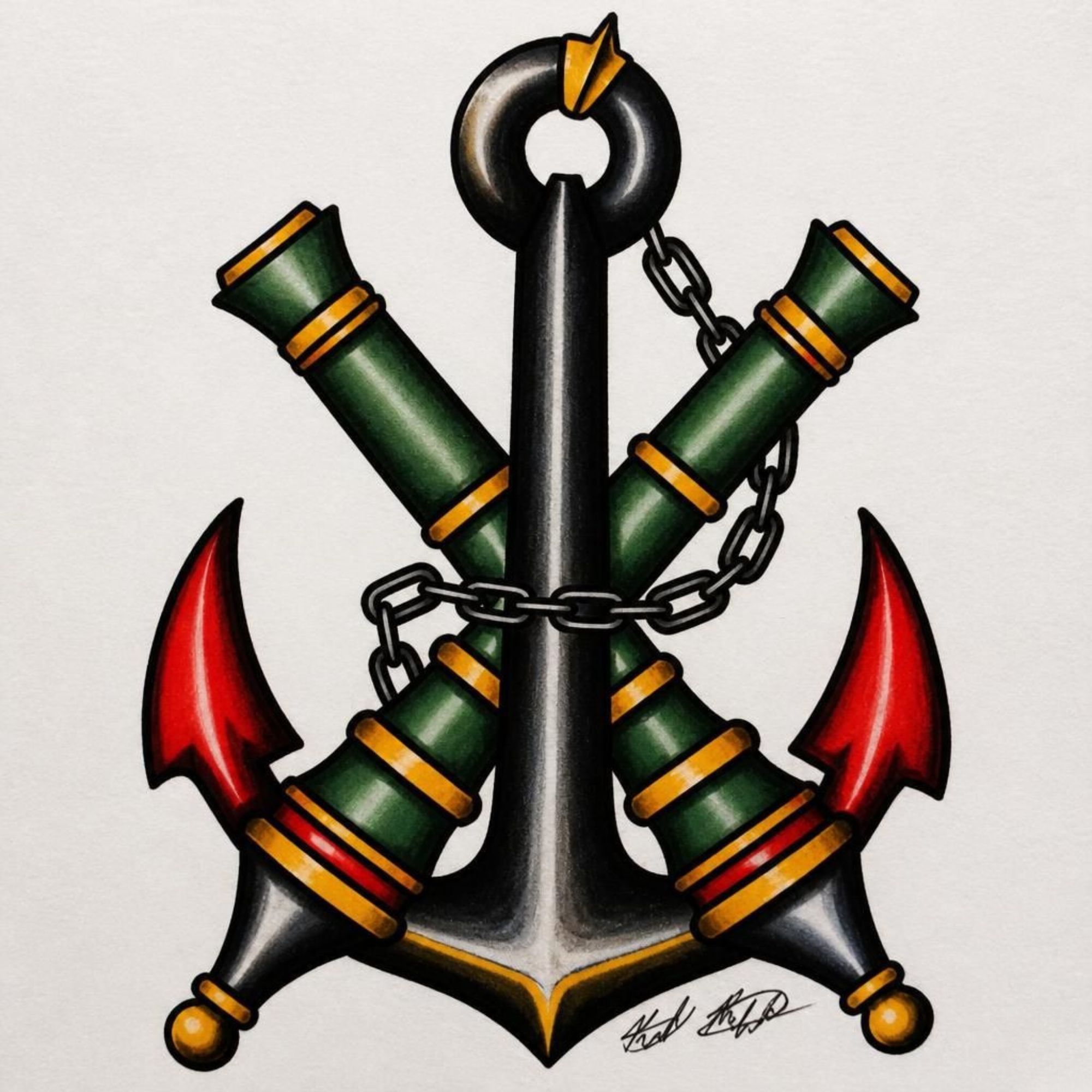
Traditional tattooing, also known as “old school,” grew from the maritime and working-class cultures of the 19th and 20th centuries. Shaped by artists like Sailor Jerry, the style is known for bold black outlines, vivid colors, and simple, high-contrast shading. Its iconic imagery carries a spirit of adventure, remembrance, and self-expression.
- Bold
- Iconic
- Timeless
History
Tattooing in America has deep roots in Indigenous traditions and maritime cultures, evolving over time into a mainstream form of personal expression. Across generations, tattoos have carried meanings tied to identity, community, remembrance, and individual style.
- Indigenous Roots (Pre-Colonial)
- Long before European colonization, many Indigenous peoples across North America practiced tattooing using tools and pigments made from natural materials. Tattoos held diverse meanings across communities, marking identity, status, life stages, and spiritual beliefs; in some traditions, they were also connected to healing.
- Sailors, Sideshows, and the Electric Machine (Late 19th Century)
- In the 18th and 19th centuries, sailors returning from Pacific voyages helped spread tattooing through American port cities, influenced by Polynesian traditions. By the late 19th century, artists such as Martin Hildebrandt had established tattoo shops in New York, and Samuel O’Reilly’s 1891 electric tattoo machine made the process faster and helped expand its popularity. Tattoos also appeared in circus sideshows and, more discreetly, among some members of high society.
- World Wars and the Rise of “American Traditional” (Mid-20th Century)
- During the World Wars, tattoos became popular among American soldiers and sailors as lasting reminders of service and camaraderie. In Honolulu, Norman “Sailor Jerry” Collins helped shape American Traditional tattooing with bold outlines, a limited palette of vivid colors, and nautical and patriotic imagery, while promoting improved hygiene practices. Yet tattoos continued to face social stigma, and some cities restricted the practice; New York City’s ban, introduced in 1961, remained in place until 1997.
- Counterculture to Mainstream Acceptance (1970s–Present)
- Through the mid-to-late 20th century, tattooing endured in underground communities and among dedicated traditional artists. As health standards improved and city bans—including New York City’s—were lifted, tattoos moved into the mainstream. Today, they’re widely recognized as art and personal expression, and an estimated 32–40% of U.S. adults have at least one tattoo.
For more information about tattoo regulation and public health, visit Network for Public Health.